 Tech
Background
Tech
Background

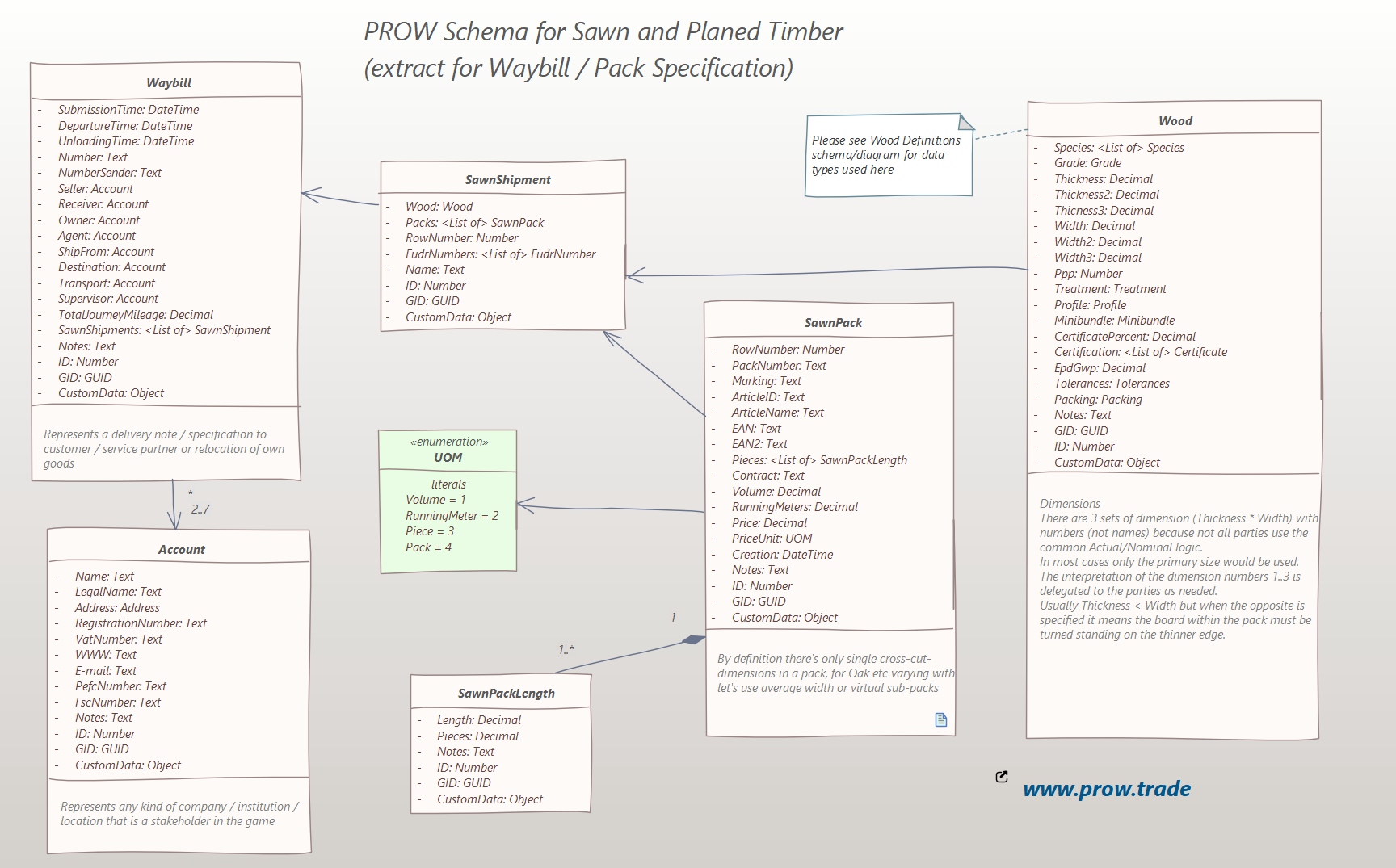
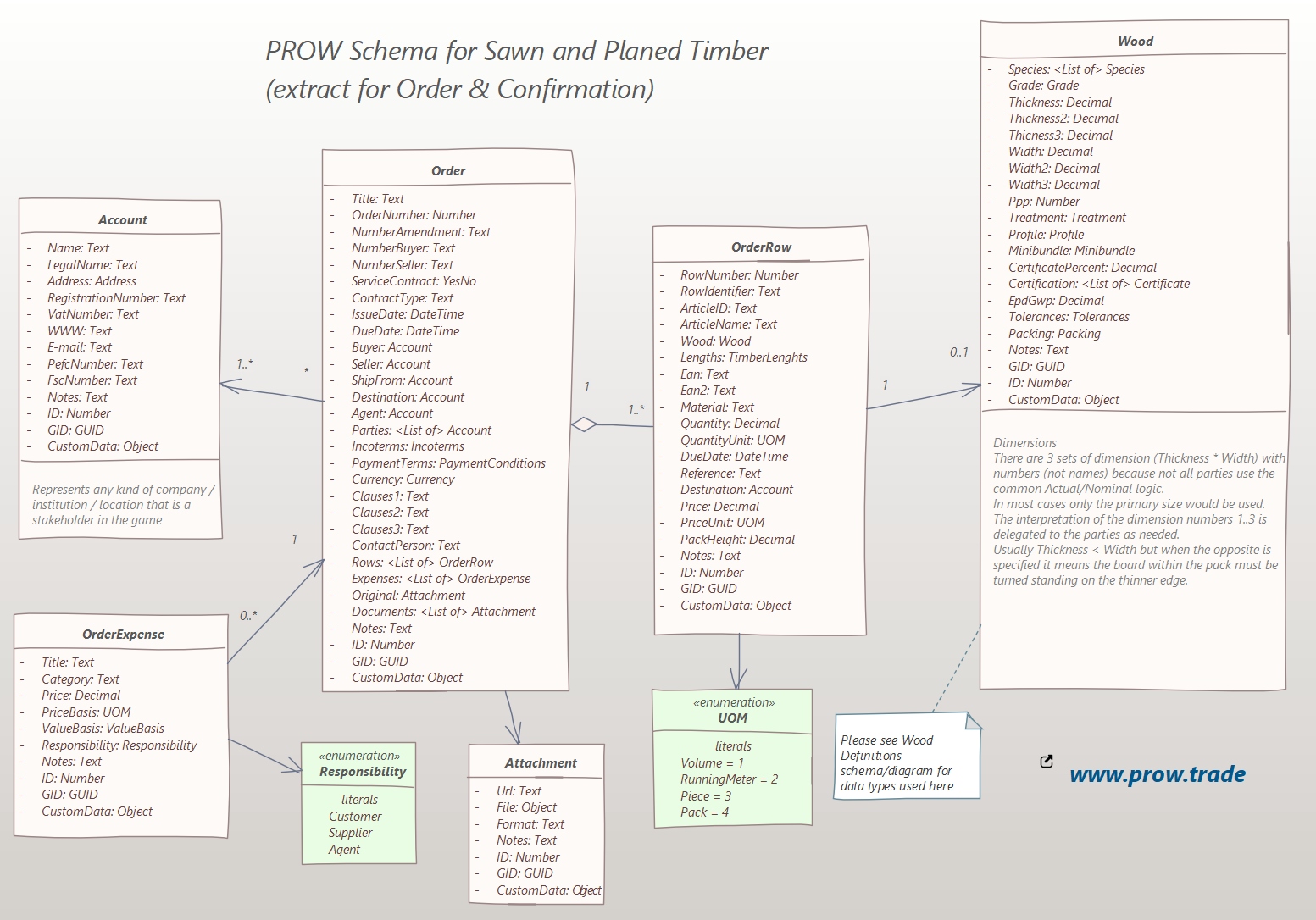
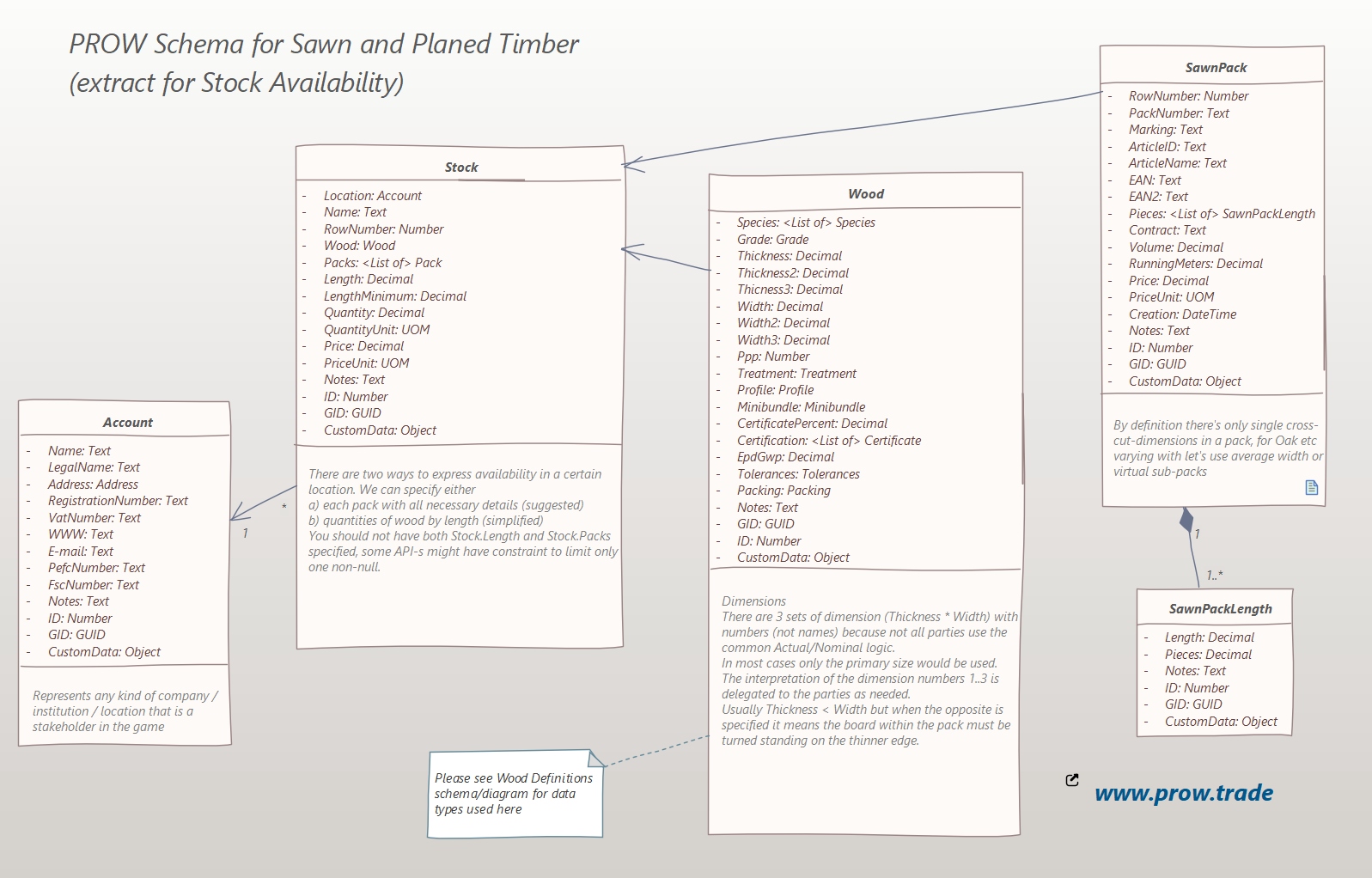
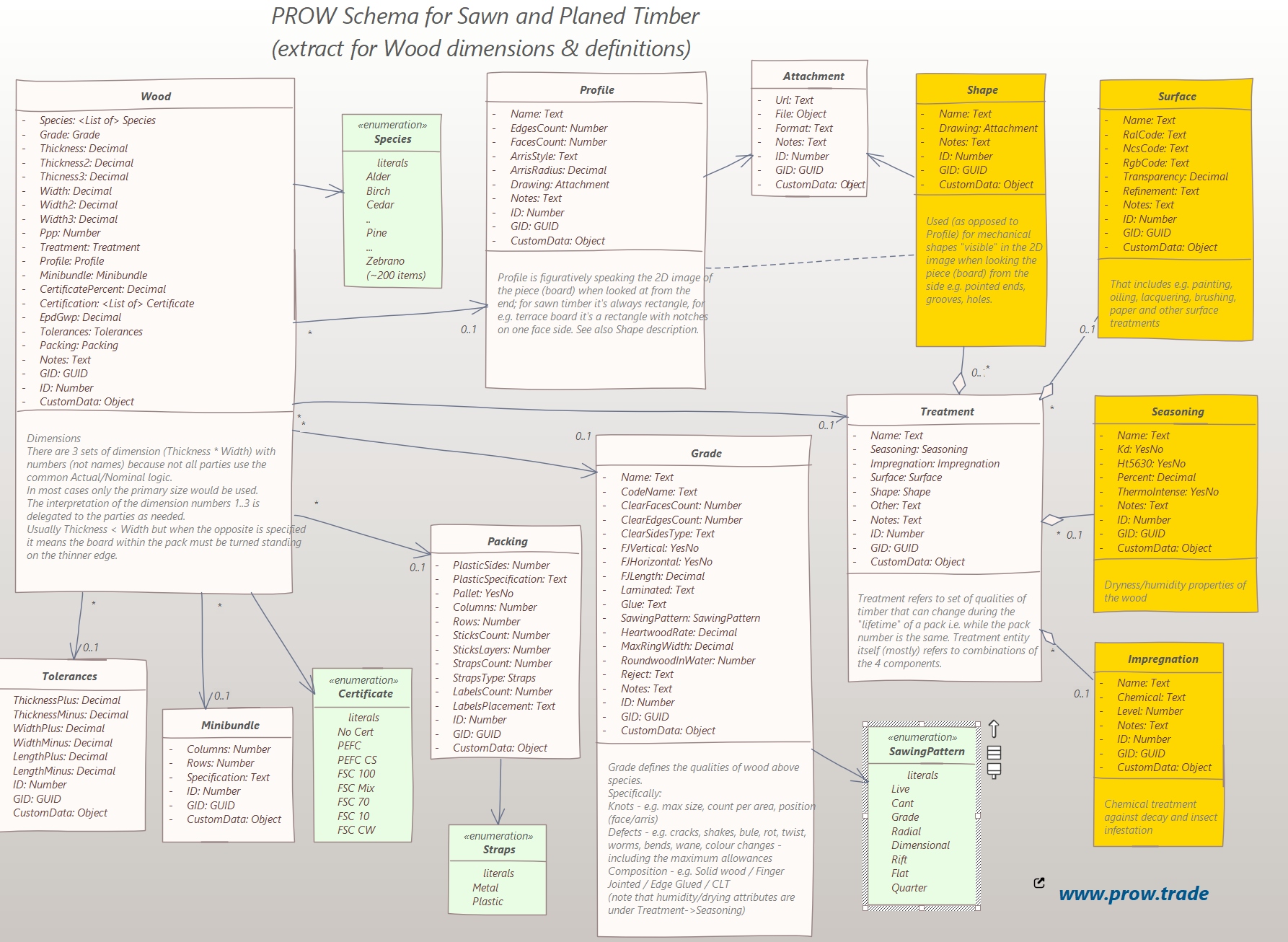
(A Data Schema for Sawn & Planed Timber E-communication)
The value of standardization is undeniable, as demonstrated by examples like:
A Schema is a "language" - an EDI data structure - that allows IT systems to communicate with each other. It allows you to easily transfer an order or waybill from a customer's ERP system to yours. Today, most companies use non-standard schemas, which makes IT solutions costly. This standard can reduce those costs by up to 10X.
The PROW Standard is:
Do you call yourself a (somewhat) business-person?
Then this section is for you to easily understand what's a schema.
The transfer of documents (e.g., orders, invoices, stock statements) between Company X and Company Y systems without human interaction is usually called EDI (Electronic Data Interchange) or API (Application Programming Interface).
Any technical solution consists of 3 things:
The last one is least "visible" but the most important. Very simply put (in Excel terms) it specifies the order and names of columns in a spreadsheet. For each column, it specifies the data type (e.g., text, number, date) and, most importantly, the meaning and interpretation of the data.
Want to know a bit better what "Schema" means? Click HERE to find out!
Name origin: PROW = Professional Wood Trade (or Pine-Rowan Orb-Weaver)